Return Of Royalty
5 min read
Nobody would have expected that the man who has the strongest legal claim to inherit the Caliphate was until recently working as a Hollywood-based cameraman. Azmet, the great grandson of the last Ottoman Caliph of Turkey, has been working with the likes of Stephen Spielberg and Richard Attenborough and has even shot the Sharon Stone starrer, Basic Instinct. Azmet is the son and heir of Princess Esra, daughter of the last Caliph of the Ottoman Empire of Turkey and Mukarram Jah the living last Nizam of Hyderabad. Despite continuously travelling between Hyderabad, Antalya in Turkey (where his father stays now) and London (his base city), Azmet today has taken on what remains of the family role in the city after a decade of tremendous hard work by his mother Esra in completing what is considered as India’s largest restoration work till date.
The Fall of the Nizams
Around the middle of the last century, Osman Ali Khan, the seventh and the last reigning Nizam of the Hyderabad state was regarded by many as the leading Muslim ruler in the world and is known for being featured on Time magazine’s cover in 1938 as the richest man in the world. . . He was very reluctant in signing up to join the new Indian Union after the British rule came to an end in India. He believed that there was no reason why Hyderabad should be forced to join either India or Pakistan after the British rule came to an end in India as not just was he tremendously wealthy with his perrsonal fortune estimated to at least GBP100 million in gold and silver bullion, and GBP 400 million in jewels but for over three centuries, the his ancestors the Nizams had ruled a state the size of Italy and could easily claim the allegiance of some 15 million subjects.
But as fate would have it post what is considered the last century’s most dramatic reversal of fortunes, the disintegration of the state of Hyderabad and the dispersal of the wealth of the Nizam’s took place in the times of Mukarram Jah, who succeeded his grandfather Osman Ali Khan in February 1967. Jah to his dismay found himself submerged in financial crisis as he had inherited a huge team of retainers which was around close to fifteen thousand estate staff and dependants including his grandfather’s concubines and their children.

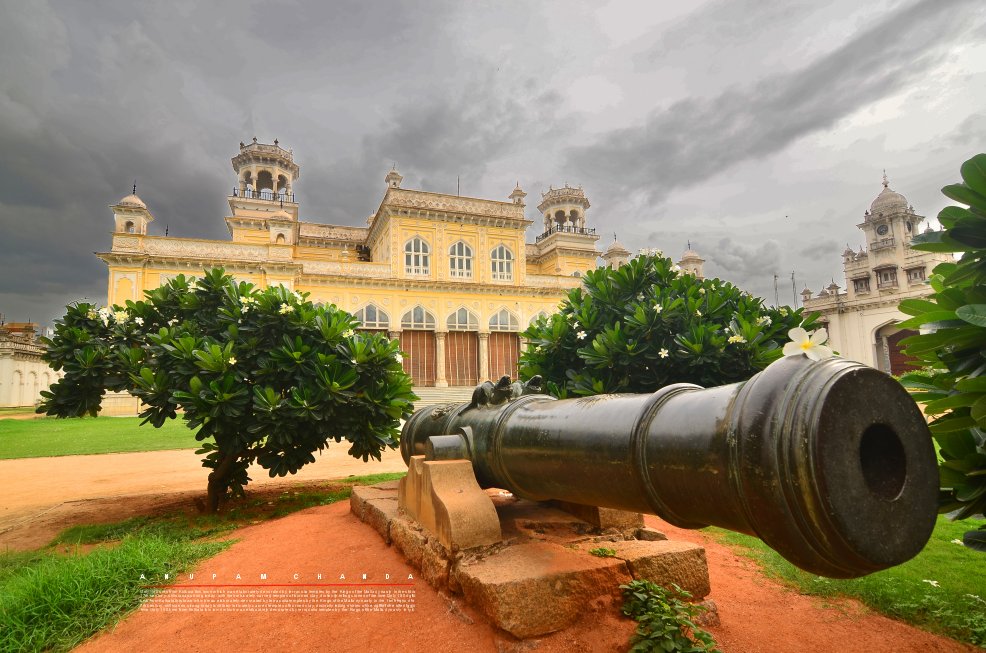
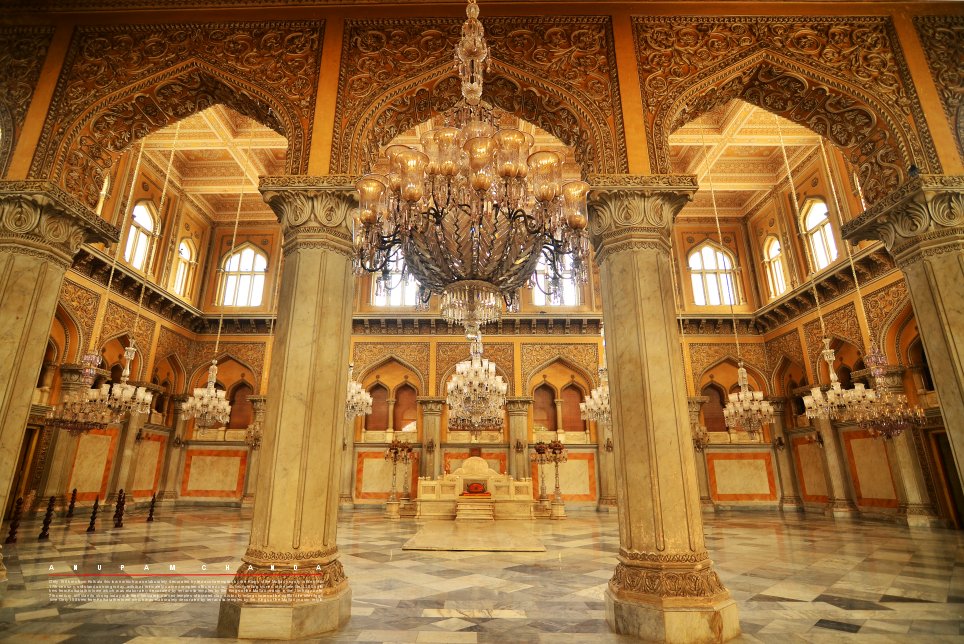
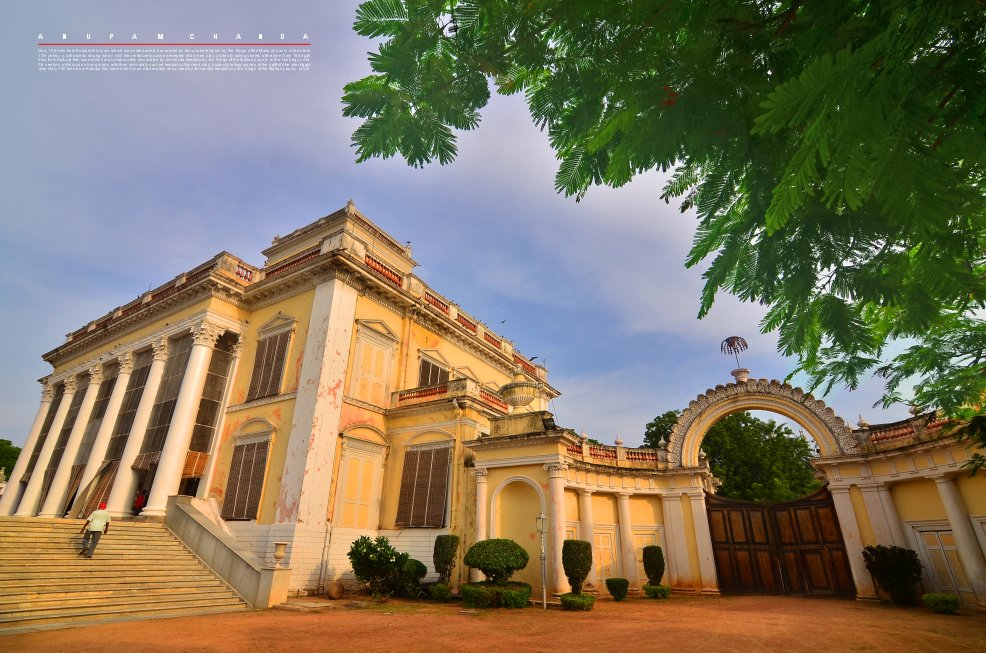
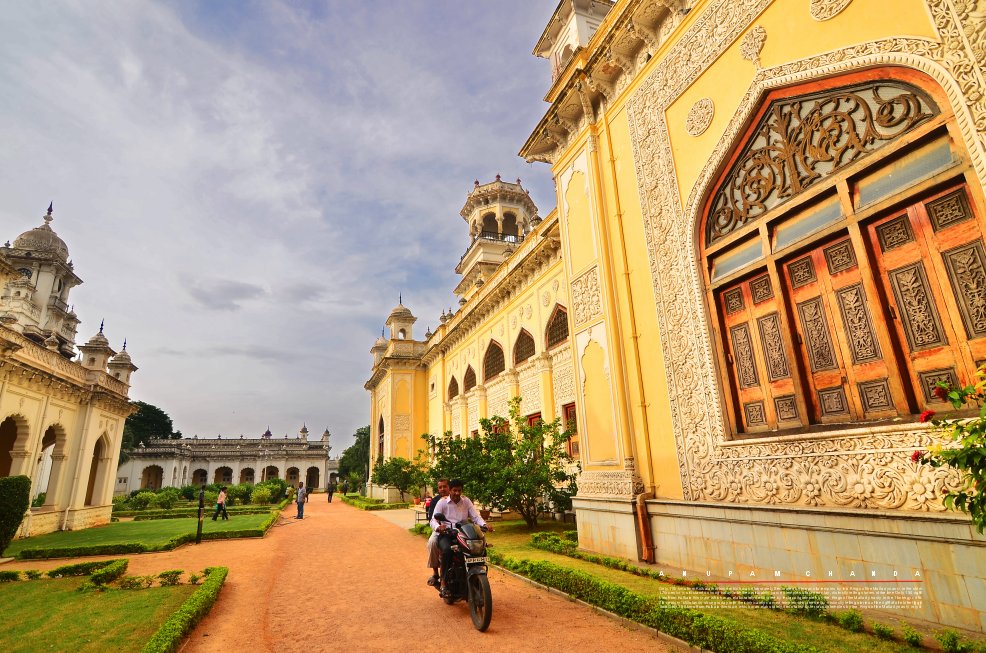
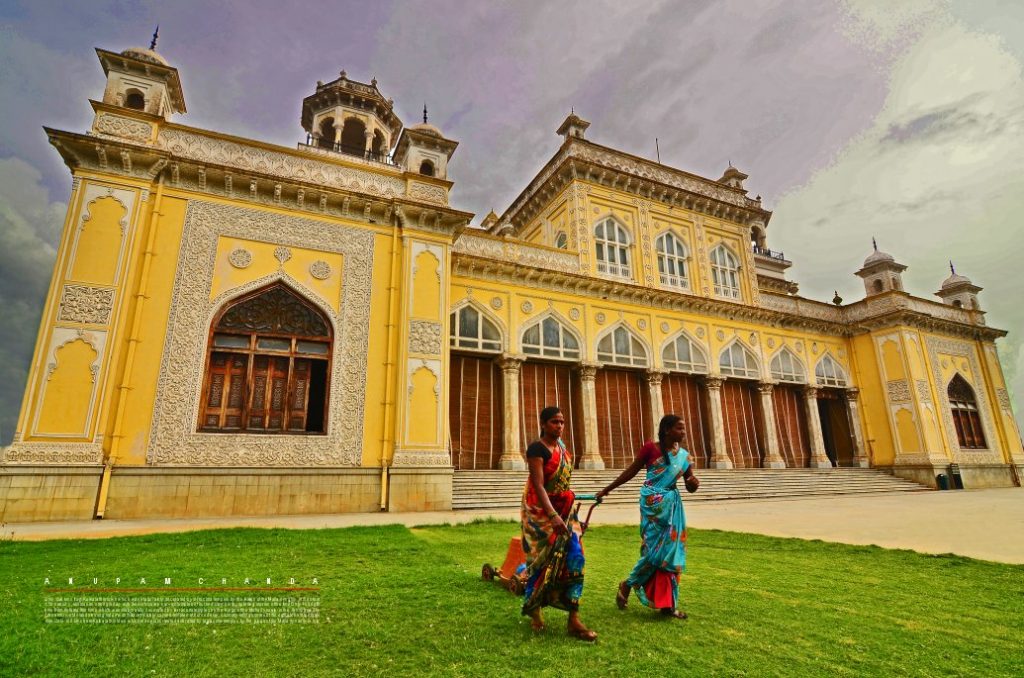
The dependency and expenditure list was much larger than what it looked like initially. Just the Chowmahalla Palace complex alone employed 6000 employees. And this palace was one of the finest royal residences in India which was a central location for White Mughals which employed in excess of 3,000 arab bodyguards , a fleet of 38 people whose only job was to dust the chandeliers and a few others were retained specifically to grind the Nizam’s walnuts. Everything was in a state of severe over-headed caos. Most disturbing amongst all other issues were the several legal battles started by close to 2000 descendants and 476 legal heirs of the different Nizams, who claimed part of Jah’s inheritance and had filed suits or claims of various sorts over the years, which led him to eventually take off from Hyderabad and relocated to a sheep farm in Australia, frustrated and disgusted by the weight of litigation and the bitterness of the family infighting.
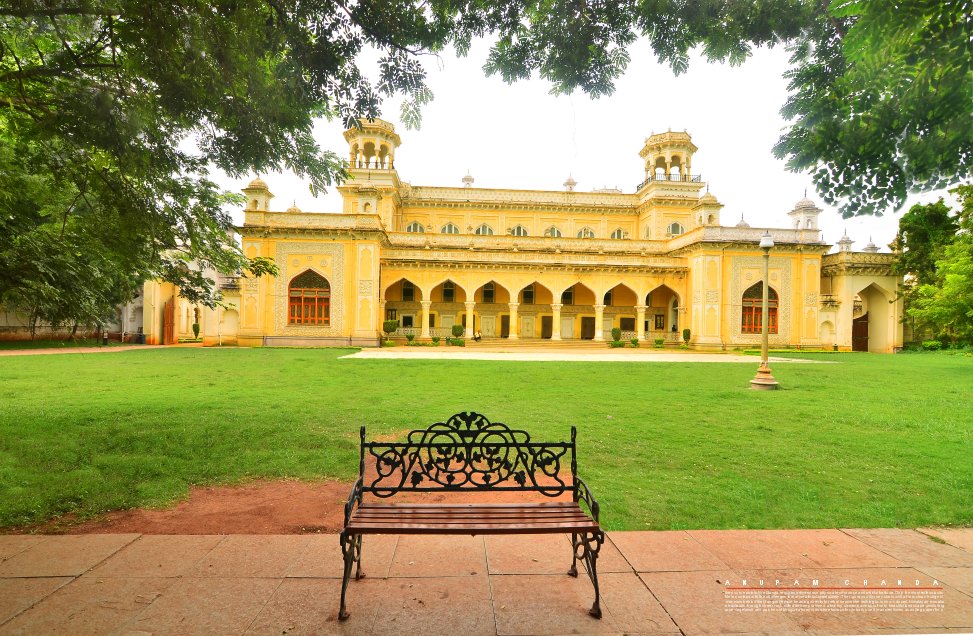
Soon after he departed to Australia the dynasty’s palaces and properties were sealed by orders of different courts. Those which weren’t were quietly sold off or encroached upon. Between 1967 and 2001, the Chowmahalla shrunk from a whopping 54 acres to just 12 as slowly the land with was acquired by real estate developers, who demolished the 18th century buildings and erected concrete apartments in their place. Sadly the empire renowned around the world for it’s recognition and curation of art was slowly getting wiped out from the earth’s surface.
The Reconciliation
But then around early last decade Mukarram Jah met his divorced wife Princess Esra for the first time after 30 years at their son Azmet’s wedding in London. Esra was shocked to hear the state of Jah’s affairs. She was taken aback to know that Jah the emperor of Hyderabad, had been forced to sell off his sheep farm in Australia to meet his debts, and to flee his creditors, he had relocated to a two-room flat in Antalya in southern Turkey. A partial reconciliation followed after which decided to give Esra the authority to try and save something for their son and daughter before what little remained in Hyderabad disappeared too. Among her early initiatives, she was intent on settling the many outstanding law cases and turning the principal city palace, Chowmahalla, into a museum.
Restoration Project
After Princess Esra started the initiative with the help of a seasoned lawyer Vijay Shankardass, her first win to the world’s amazement was when they were able to persuade all the 2,740 claimants – legitimate and illegitimate descendants of the different Nizams lineages to agree to a settlement of the jewel issue, and gradually to settle down the demands that initially amounted to six times the market value of the jewels, to something manageable.
With the backing of all the different claimants, he then had to reach an agreement on a sale price with the Indian government which had, at the last moment, banned the export and auction of the jewels which it rightly regarded as a national treasure. But after much debate, the government agreed to pay around GBP 40 million, which was less than a quarter of the market value, but much more than anyone had expected the government to offer.
Less than half of this money was to go to the Nizam. But then with the money from the jewels having been sorted out, the ace lawyer Shankardass moved on to pay off, or reach some sort of compromise with, the different litigants in the 130 odd legal cases still outstanding against the Nizam. He also settled his remaining old debts at around GBP 3 million. All this still left a considerable fund for Princess Esra to invest in the restoration and conservation of the Nizam’s properties.
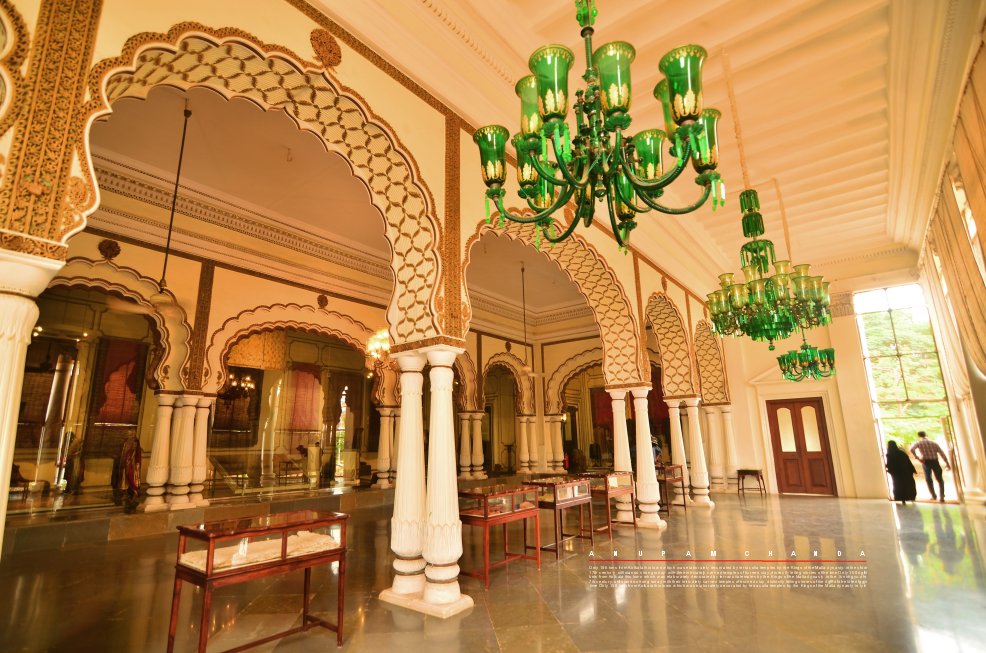
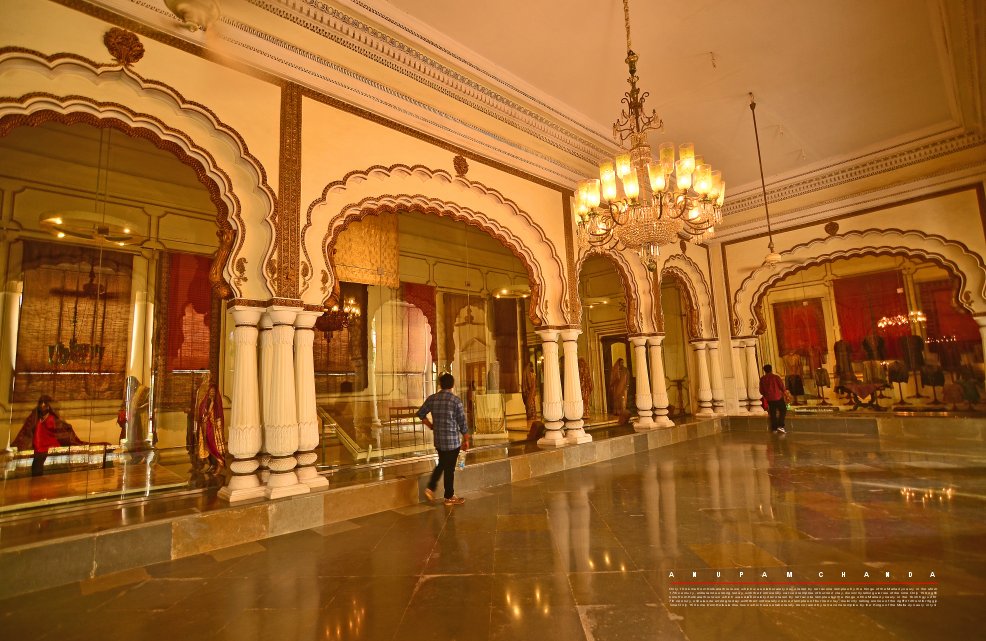
Soon the largest team of conservators ever employed on an Indian restoration project was put to work, cataloguing, making inventories, and busily restoring the different collections for the recent grand opening of the Chowmahalla palace to the public and now it’s a location worth a must visit in Hyderabad right beside the Charminar for a real awe inspiring experience in understanding the scale of what was, what could have been and what is.
Quick Facts
Osman Ali Khan is known for being on Time magazine’s cover in 1938 as the richest man in the world. His personal fortune amounted to at least £100 million in gold and silver bullion, and £400 million in jewels. He also owned one of the world’s great art collections. For over three centuries, the Nizam’s ancestors had ruled a state the size of Italy and could claim the allegiance of some 15 million subjects.